


Does It Even Matter?
As the earlier sections laid out, most matcha labeled “Uji Matcha” neither comes from Uji nor is processed there. The loosest definition is the “Uji Matcha Blend.” It can be split 50/50: half from the four-prefecture trademark zone (Kyoto, Nara, Shiga, and Mie) processed in Kyoto prefecture, and half tencha from elsewhere such as Nishio or Kagoshima, or, among the industry’s shadier players, from China.
From there the definitions tighten: to the four-prefecture zone alone, then to the Yamashiro counties of southern Kyoto and the “Wazuka matcha = Uji matcha” camp, and finally to true single-origin Uji Matcha made from Uji-grown tencha.
This is where the inconvenient truth gets uncomfortable. Because the deeper problem with “Uji Matcha” isn’t just that it’s geographically misleading and unclear. It’s that even if it were from Uji, that wouldn’t explain the quality.

Over the past few years on the Specialty Matcha Podcast, Zongjun and I have had dozens of conversations with producers, blenders, and researchers about what actually determines matcha quality. The consensus, spoken quietly at first but now more openly, is that terroir is one of the least important variables in the final cup. The flavor profile of matcha is overwhelmingly determined by human decisions: shade timing and duration, fertilizer type and application schedule, cultivar selection, tencha kiln temperature and airflow management, and stone mill speed and pressure.
Change any one of those variables and you change the taste dramatically. Given the same techniques, “Uji-style” matcha can be produced anywhere. And it is. That doesn’t make it fake. It makes it a triumph of human craft, not a miracle of soil.
The mythologizing of Uji as a terroir has reached a point of dogma. And the single-origin framework that the specialty market has imported from coffee and wine doesn’t map onto matcha the way we want it to.
When a company stamps “single origin Uji” on a tin, they’re telling you to taste a place. But what you’re actually tasting is the accumulated knowledge of shade calibration, nitrogen management, centuries of intentional genetic drift that produced cultivars like Goko, Ujihikari, and Asahi, and the specific processing decisions of whoever handled the leaf after harvest. The single-origin concept is being overfitted onto a product it doesn’t describe.
This misattribution has real costs. Skilled producers outside the “right” geography struggle to get recognition. Mediocre matcha can ride a famous name. And consumers never develop the vocabulary to understand what they’re actually paying for. The mythology protects the wrong things.
It’s deception for the sake of misattributing quality.
The Demand Problem
Here’s what the mythologizing of “Uji Matcha” actually produces: a demand problem that is rapidly becoming a supply crisis.
National tencha production has surged 2.7 times in the past decade, to 5,336 tons. Green tea exports hit a record 72,094 million yen, with 84% of that being powdered tea. Powdered tea accounts for 85% of US green tea exports by volume. And tencha commands a price premium nearly three times that of sencha. [1] Everyone wants in. Kagoshima quietly surpassed Shizuoka as Japan’s largest tea producer by volume for the first time in history. [1]
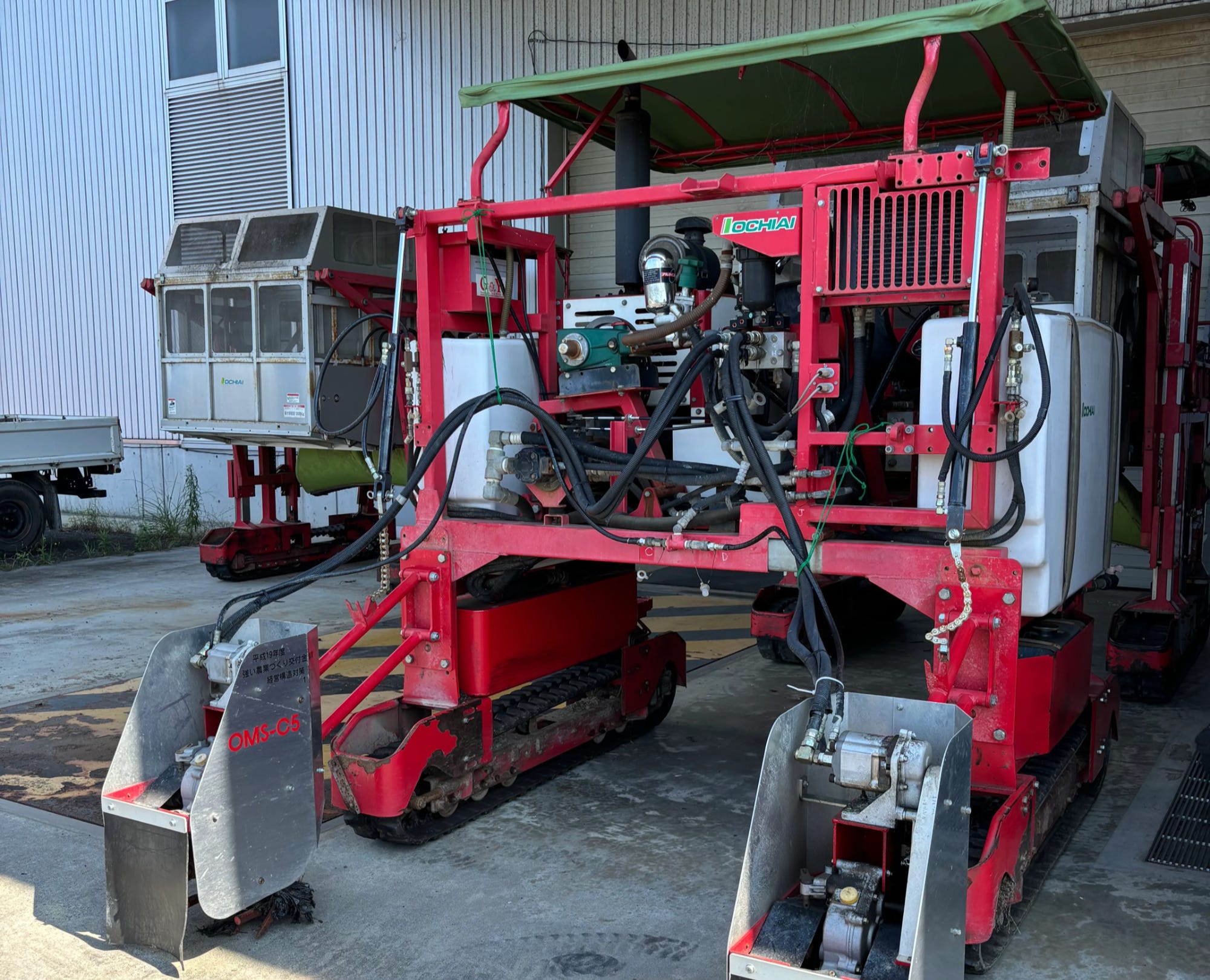
But Kyoto cannot meet this demand, let alone Uji. Between 2000 and 2020, its tea farming households dropped from 1,330 to 473. Only 21.4% of Kyoto’s tea acreage uses riding-style harvesting machines, compared to 87.5% in Shizuoka. Most Kyoto tea is still machine-harvested, but with handheld portable cutters operated by workers on foot, not the ride-on harvesters that enable the volume production of flatter regions. And 85% of Kyoto’s gardens sit on mountainous terrain where ride-on machines simply cannot go. [1] The infrastructure behind actual “Uji Matcha” from Uji-grown tencha is a handful of aging farmers hand-picking leaves for an industry that now measures demand in the thousands of tons.
Ask a new matcha consumer what they want and you’re very likely to hear: “I want matcha from Uji, Japan. I hear that’s what’s best.” And who can blame them? That’s what every blog, every vendor, every educational article has told them. The mythologizing creates the demand, which creates more content reinforcing the myth, which creates more demand. It’s a self-reinforcing cycle. In fact, nearly every can of “Uji Matcha” sold in Europe as a single origin product are entirely fake if you believe the intended spirit of a “single origin.” All but a handful Uji tencha producers practice conventional Japanese farming methods which results in matcha that exceeds the EU’s pesticide residue requirements.
And the people it crowds out are the ones doing some of the most interesting work in matcha right now. In Nagasaki, producers are experimenting with machines that simultaneously steam and pan-fire tencha. In Wazuka, 100-year-old zairai (seed-propagated) fields produce tea with a genetic diversity that no cultivar can replicate. In Ujitawara, growers are planting Tenmyo, a new cultivar with its own emerging identity. In Toyota, Aichi, some innovators are intentionally withering their tencha, producing a fragrance closer to baozhong, a lightly oxidized northern Taiwanese tea style, than to anything you’d expect from Japanese matcha. These stories don’t fit on a label that just says “Uji.” And most consumers will never hear them, because there’s no space left in the consumer’s mind for the regions doing the most creative work. It’s easier to sell “Uji” than to educate someone about a place they’ve never heard of.

The incentive model feeds into itself. Vendors label things “Uji” because that’s what moves. Education materials reinforce the myth because that’s what people search for. And the regions that could diversify the market and build resilience into the supply chain remain invisible.
The call to action for specialty vendors is twofold. First, stop mislabeling Uji Matcha as a single-origin product unless it is actually made from Uji-grown tencha. Almost all “single origin Uji Matcha” sold today is unknowingly fake. Second, start highlighting other places. Not for the sake of terroir, because we’ve just established that terroir is the wrong framework for matcha. But for the sake of what we might call secondary terroir: the processing knowledge, the emerging processing styles, the specific decisions that producers in other regions are making as they develop their own identities.
We’re starting to see this emerge. Kagoshima producers bringing different cultivar preferences, including Seimei, a cultivar specifically bred for the region. Nishio operations scaling with precision. Mie’s new tencha infrastructure. These are the stories that move the market forward, that give consumers a more sophisticated set of preferences, that break the cycle of everyone just wanting “Uji Matcha” without knowing what that means.
The way past the demand problem is through it: more names, more regions, more stories about how matcha is made and who made it rather than where.
Sources, Part 4
MAFF, The State of Tea (Cha o meguru josei), Reiwa 8 (March 2026).