


I live in Paris, which means I live inside the ceremonial matcha flood.
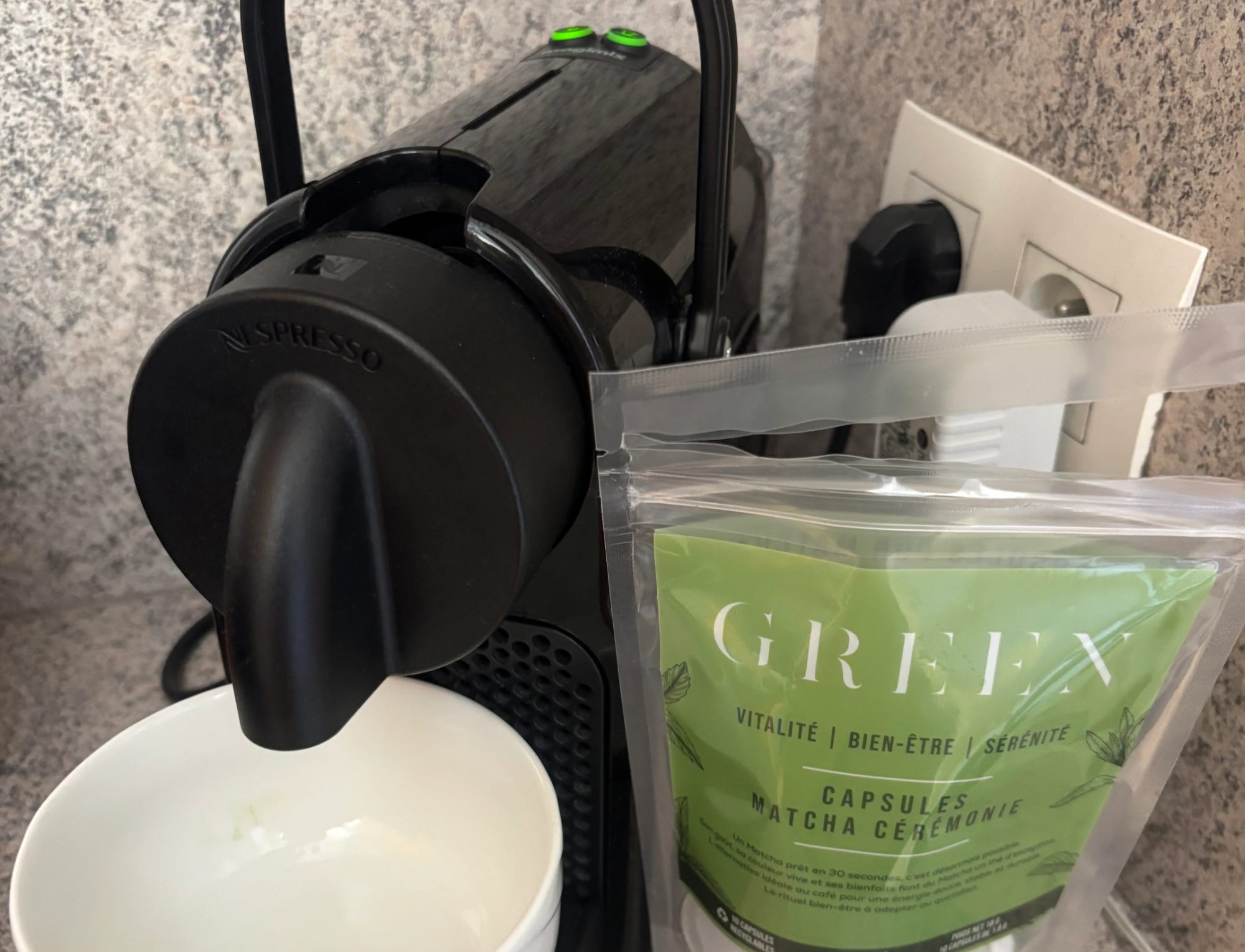
It is in the Nespresso capsules. It is in the ice cream at the discount grocer. It is in the Korean supermarket, where you can buy half a kilo of bulk powder that someone, somewhere, decided to call ceremonial. The word has stopped meaning anything, and most people in the trade already know it.
Nobody assigns you the grade. You assign it to yourself.
“Ceremonial grade” is not a certification. There is no board, no cupping panel, no geographic authority handing out the label. When a brand prints it on a tin, it is grading its own homework. Every ceremonial claim on every shelf is an act of self-sorting. The brand is telling you which label it has chosen to place itself in.
Which raises the interesting question. If the grade is free and self-assigned, why would anyone opt out of the flattering label?
The category is sorting itself, and the good brands are starting to sort themselves out of it.
The label fills up with everything
When a term is free to claim, it gets claimed by everyone, including the bulk powder in the discount label. A self-assigned grade has no floor, so the floor collapses to whatever the worst participant is willing to say about themselves.
So the association degrades. Ceremonial stops signaling quality and starts signaling only that a brand wanted to sound premium. Early movers saw this coming. Kettl walked away from the vocabulary years ago, and more brands on the international stage are quietly following. The pattern is the same every time: the people sourcing genuinely good tea no longer want to stand in the same label as the Nespresso capsule.

That is the impetus. Not regulation, not consumer outrage. Just enough low-quality product piling into the category that staying inside it becomes a liability for anyone with something special to sell.
The tell is in the adjectives
Watch what happened when brands first tried to escape without actually leaving. They stacked modifiers. Premium ceremonial. Superior ceremonial. Ultra ceremonial. Imperial ceremonial. Each one a small, desperate attempt to sound one notch above the noise while staying inside it. It’s an endless game of oneupmanship climbing the never ending staircase of “I’m better” with nothing actually changing about the products being marketed and sold.
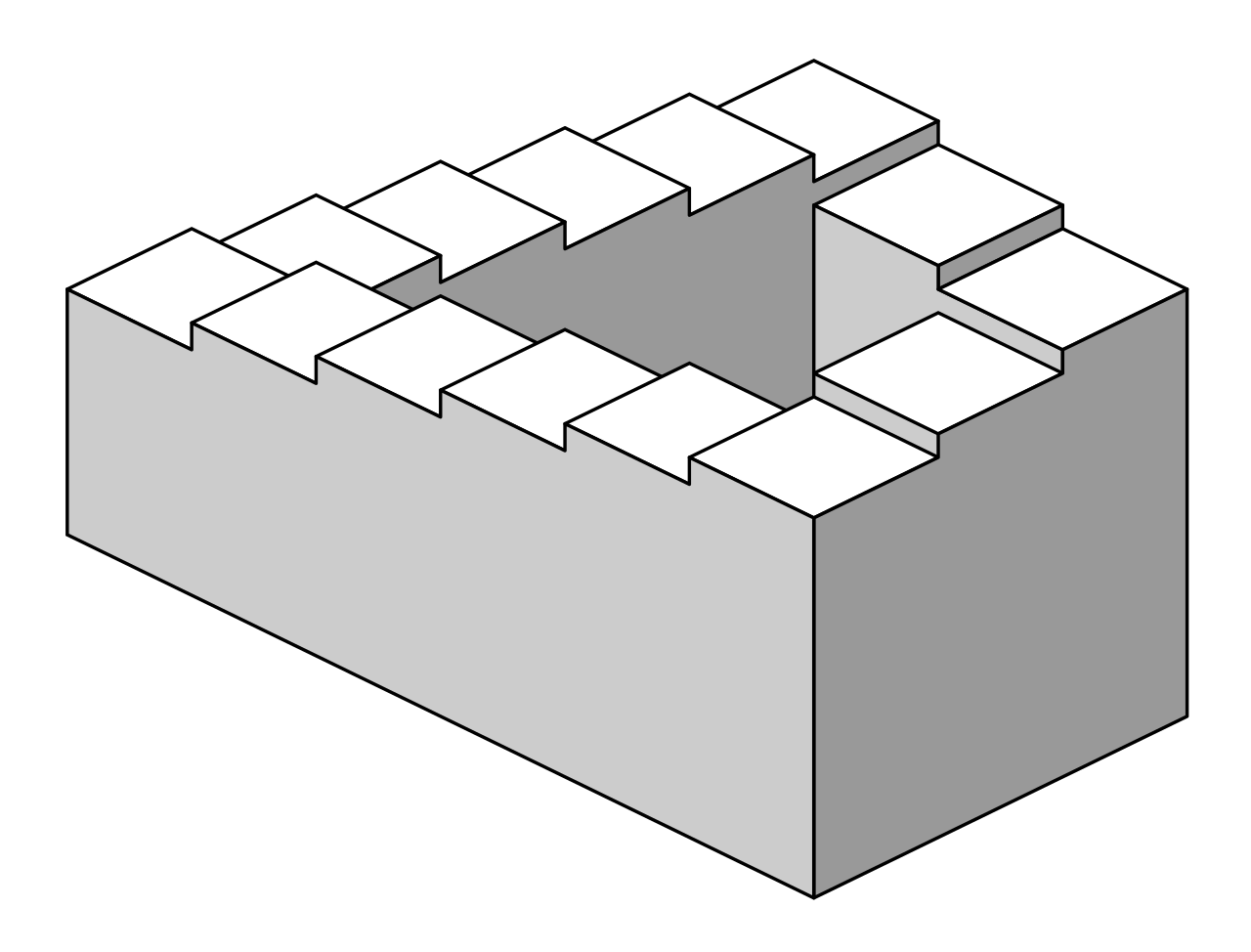
This is self-sorting at its most transparent, and its least useful. Adding a word does not add information. “Imperial ceremonial grade” predicts exactly nothing about what is in the cup. It is a costume, not a descriptor.
Once the name stops predicting the product, the burden shifts entirely onto the consumer to figure out whether the tea is any good. And most consumers cannot, because they were never given a vocabulary that maps to the way the tea actually tastes.
Two ways this ends
The first path is the mess. The descriptors stay noise, the average consumer who casually likes matcha gives up on predicting anything, and the market squanders its own moment. When a name carries no signal, a buyer cannot accurately predict what they will like. If you owned a wine store and you asked a customer what they liked to drink and they said “premium grade wine” would you really be able to help them?
The second path is the specialty path. Think about how a wine drinker talks. They say Pinot Noir. They say oaky or unoaked. They say Napa cab. These are not marketing adjectives. They are ground truth, and they are predictive. If you know you like an unoaked Chardonnay, that phrase reliably steers you toward what you will enjoy. Matcha has exactly these words available: cultivar, harvest timing, fertilizers, whether the leaf was handpicked, region, producer.
What that actually looks like
Let me make it concrete with two teas you might actually meet.
The first: a honzu shaded, handpicked Asahi cultivar from a single family in Gokusho, Uji, shaded longer than industry norms. Read that and you already know it will probably be expensive, and the words tell you why. This family picks once a year, so there is no second or third harvest to spread the cost across. They pay human hands, not machines. They fertilize with natural inputs only, which is slow and costly. The canopy is built using the oldest technique made from entirely natural materials such as rice straw and reed, and long shading pushes the leaf toward umami and away from bitterness. Asahi itself is one of the most umami-forward and creamy cultivars there is, and the tea is stone milled for a fine, smooth particle size.
Stack those facts and you can taste it before you open the tin: refined, balanced, soft, almost no bitterness, an extraordinarily rich in profile and a gorgeous color. None of that came from the word “ceremonial.” All of it came from cultivar, fertilizers, harvest, shading, and processing.
Now the second: a machine-picked Okumidori from Kagoshima, first flush, direct-shaded under kanreisha rather than a raised structure, grown on a mix of natural and synthetic fertilizer, processed in a large modern factory and milled industrially. This is not the rare cult Napa Cab. This is the excellent bottle of Argentine Malbec, tremendous value and genuinely delicious. The words still tell you what to expect. Okumidori runs vivid green and leans vegetal. Machine picking and factory processing mean less refinement than a handpicked single-family lot. And if this farm takes a second or third harvest off the same plants, expect more bitterness and more earthy, vegetal notes, because repeat picking is harder on the plant.
Neither description is a marketing adjective. Both are reliable indicators. One points you toward a soft, umami-forward luxury, the other toward a bright, honest everyday cup. A drinker who knows these words can find their way to either on purpose. That is the entire point.
The point
Ceremonial grade was never a grade.
It was a label brands sorted themselves into, and now the label is filling with everything, which is precisely why the good ones are climbing out.
Self-sorting is coming for the category no matter what. The only question is whether you sort yourself into the label of noise, or into the vocabulary of ground truth where we can raise the standards of the industry and speak in a language that is actually meaningful.
Ryan Ahn, Cofounder of Sanko Matcha Products and Cohost of the Specialty Matcha Podcast